
5 Marketing Trends That Sound Ridiculous… Until They Actually Work
There’s a moment every business owner has while scrolling TikTok or Instagram:
“This has 1.4 million views? How the hell does this have 1.4 million views?”
It’s someone whispering into a mic.
A brand making fun of its own product.
A video that looks like it was filmed on a flip phone from 2006.
And yet… millions of views.
Here’s the uncomfortable truth:
The content that feels “wrong” to a polished brand brain is often exactly what performs in today’s attention economy.
Let’s break down five marketing trends that sound ridiculous on the surface, but are quietly driving real engagement, reach, and in some cases, revenue.
1. Lo-Fi Content Is Beating High Production
Why it sounds wrong:
You’ve invested in brand standards, clean visuals, professional editing. Why would you intentionally go backward?
What the data shows:
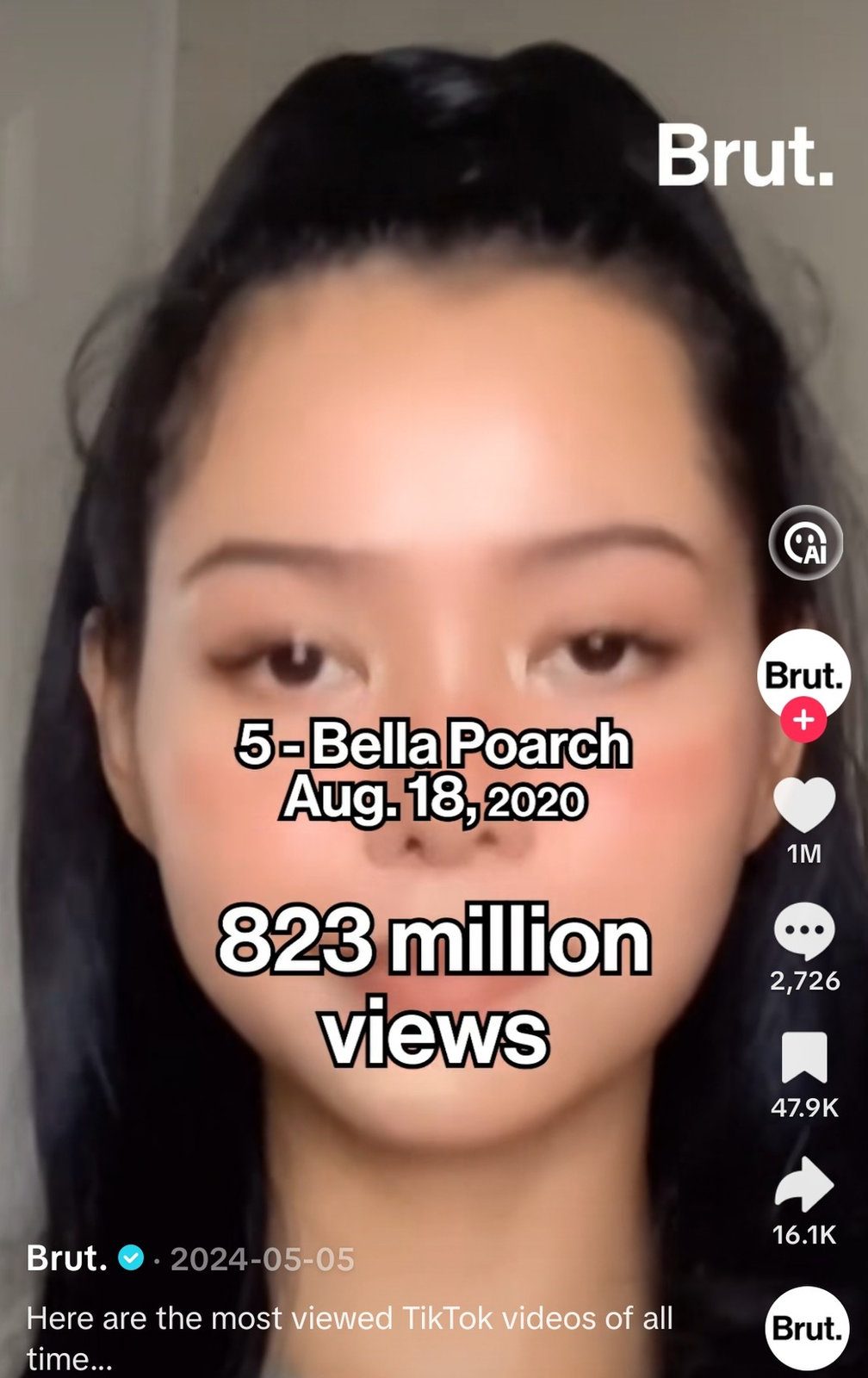
- TikTok reports that native, low-production content consistently outperforms polished ads in watch time and completion rates
- Meta Platforms has stated that Reels with a “less produced” feel see higher engagement than studio-style creative
- Multiple platform studies show 15-30% higher engagement rates for content that looks organic vs. branded
Real-world pattern:
Brands that shift from polished promos to phone-shot content often see:
- 2-4x increase in views
- Higher comment rates
- Lower cost per result on paid campaigns
Why it works:
People don’t open TikTok or Instagram to watch commercials.
They open it to watch people.
The closer your content feels to a person, the better it performs.
2. Self-Aware (Even Slightly Self-Deprecating) Ads
Why it sounds wrong:
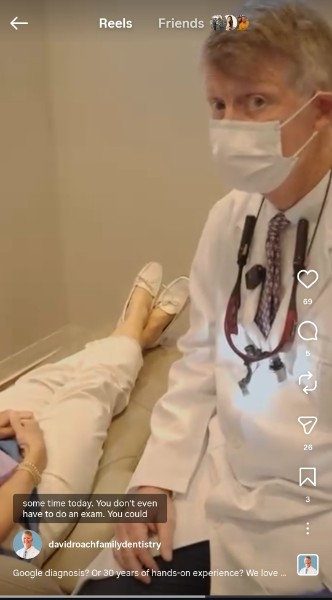
“Let’s make fun of our own product” is not something most marketing teams approve quickly.
What the data shows:
- Campaigns that use humor or self-awareness see higher share rates and longer watch times
- HubSpot reports that humor increases message recall by up to 47%
- Social-first brands using “we know this is an ad” framing often outperform traditional ad formats in CTR
Real-world pattern:
Brands leaning into this approach typically see:
- Increased engagement (comments, shares)
- Higher brand affinity
- More repeat exposure from algorithmic distribution
Why it works:
Audiences are highly ad-aware now.
When you acknowledge that… you disarm them.
Instead of resisting the ad, they lean in.
3. The “Hook in 1 Second or You’re Dead” Strategy
Why it sounds wrong:
You want to tell a story. Build context. Ease people in.
The algorithm does not care.
What the data shows:
- TikTok data shows that the first 1-3 seconds determine the majority of a video’s distribution
- Videos with a strong opening hook can see 2x-3x higher completion rates
- Retention directly impacts reach, which directly impacts cost efficiency in paid campaigns
Real-world pattern:
When brands improve their opening hook, they often see:
- Immediate lift in views (sometimes 50%+)
- Increased average watch time
- Better performance in both organic and paid placements
Why it works:
The algorithm rewards content people don’t scroll past.
Not “good content.”
Not “on-brand content.”
Content that stops the thumb.
4. “Unpolished” Storytelling Over Perfect Messaging
Why it sounds wrong:
You’ve refined your messaging. Tightened your copy. Aligned everything to the brand voice.
Then someone posts a rambling, slightly awkward video… and it wins.
What the data shows:
- Authentic, unscripted-style videos often outperform scripted ones in:
- Watch time
- Comment rate
- Saves and shares
- Nielsen research consistently shows higher trust in “real people” content vs. brand-polished messaging
Real-world pattern:
Brands that introduce “human-first” content see:
- Stronger engagement per post
- Higher follower growth rates
- More inbound inquiries tied to personality-driven content
Why it works:
People connect with people, not positioning statements.
Polish creates distance.
Imperfection creates connection.
5. Trends and Memes… Yes, Even for “Serious” Businesses
Why it sounds wrong:
“We’re not that kind of brand.”
That’s usually the exact reason you should test it.
What the data shows:
- Trend-based content can drive 5-10x reach compared to standard posts
- Sprout Social reports that timely, culturally relevant content significantly increases engagement and shareability
- Brands that consistently participate in trends see faster follower growth
Real-world pattern:
When businesses lean into trends (appropriately), they often see:
- Spikes in visibility
- New audience segments discovering them
- Lower cost per impression when amplified through paid
Why it works:
Algorithms reward relevance.
If the platform is pushing a trend, and you participate, you ride that wave instead of fighting it.
So… What’s the Actual Takeaway?
This isn’t about being silly for the sake of it.
It’s about understanding a shift:
Performance now favors content that feels native, fast, human, and real.
Not perfect.
Not overly produced.
Not overly controlled.
If you’re a business owner, here’s what matters:
- You don’t need a bigger budget to compete
- You need content that matches how people actually consume media today
- Small creative shifts can produce measurable lifts in reach, engagement, and conversion efficiency
In many cases, the brands seeing the biggest gains aren’t doing more.
They’re just doing it differently.
If You’re Thinking, “This Feels Off-Brand…”
That’s usually the signal.
Not to abandon your brand.
But to test the edges of it.
Because right now, the brands winning attention aren’t the ones that look the most polished.
They’re the ones that feel the most real. Trademark Notice:
All trademarks, logos, and brand names are the property of their respective owners. TikTok and Instagram logos are used solely for commentary and educational purposes. No affiliation, endorsement, or sponsorship is implied.